Learn Kubernetes Locally With Kind or K3s Before You Pay for a Cluster

- Primary Signal: Learn Kubernetes Locally With Kind or K3s Before You Pay for a Cluster
- Overview: Cloud Kubernetes bills start before you understand the basics. A local cluster on your own machine teaches pods, services and deployments for free, and the concepts transfer direct...
- Verification: Analyzed and compiled by FreeSky Cloud editorial monitoring desk.
Cloud Kubernetes bills start before you understand the basics. A local cluster on your own machine teaches pods, services and deployments for free, and the concepts transfer directly when you later use a managed cluster.
Start with a clear, small first move and keep each step visible. Step 1: install Docker, then choose Kind for simplicity or K3s for a lightweight full install. Work through this step in full before moving on, and save the result where you can reuse it next time instead of starting from a blank page. Step 2: create a single-node cluster and check that nodes and pods are running. Check the result against the original goal before you call it done, and note anything that needs a follow-up so it does not get lost.
Start with a clear, small first move and keep each step visible. Step 3: deploy a sample app, expose it with a service and scale the replicas. Work through this step in full before moving on, and save the result where you can reuse it next time instead of starting from a blank page. Step 4: practise updating the app, rolling back and reading logs. Check the result against the original goal before you call it done, and note anything that needs a follow-up so it does not get lost.
Start with a clear, small first move and keep each step visible. Step 5: delete and recreate the cluster until setup feels routine, not mysterious. Work through this step in full before moving on, and save the result where you can reuse it next time instead of starting from a blank page.
Avoid this mistake: starting with a paid managed cluster and learning on an expensive bill. It usually costs more time to fix later than it takes to prevent now, so build a quick check for it into your routine. Avoid this mistake: copying complex production YAML before understanding pods and services. It usually costs more time to fix later than it takes to prevent now, so build a quick check for it into your routine. Avoid this mistake: running a local cluster with no resource limits until your machine slows to a crawl. It usually costs more time to fix later than it takes to prevent now, so build a quick check for it into your routine.
Try this: use namespaces to separate experiments from stable demos. Keep it simple at first, measure whether it helps, and only then add more complexity or tools around it. Try this: save working YAML files in a repository for reuse. Keep it simple at first, measure whether it helps, and only then add more complexity or tools around it. Try this: follow one tutorial end to end before mixing guides together. Keep it simple at first, measure whether it helps, and only then add more complexity or tools around it.
Putting it together, local Kubernetes cluster kind k3s learning works best when you treat it as a repeatable system rather than a one-off task. Start small, keep notes on what worked and what did not, and review the result after a few real uses before changing anything else. That review is where most improvement comes from, because it shows you which step actually moved the outcome and which step only felt productive. Keep the parts that earn results, drop the parts that only add friction, and share the finished version with the people who need it. Over time, this steady cycle of testing, reviewing and refining turns a single good idea into a reliable habit that saves time, reduces mistakes and gives you a clearer answer the next time the same task comes up.
📖 Continue Reading the Full Story
Continue reading this article on FreeSky Cloud.
⚡ Access Full Content NowMore from FreeSky Cloud



 🛰️ FreeSky Aerial
Mobile & Cloud Optimization: GST Calculator — Add or Extract GST & VAT (Day 16 Guide)
Testing responsive workflows with the GST Calculator — Add or Extract GST & VAT on FreeSky Aerial. Discover es...
 🔭 FreeSky Cosmos
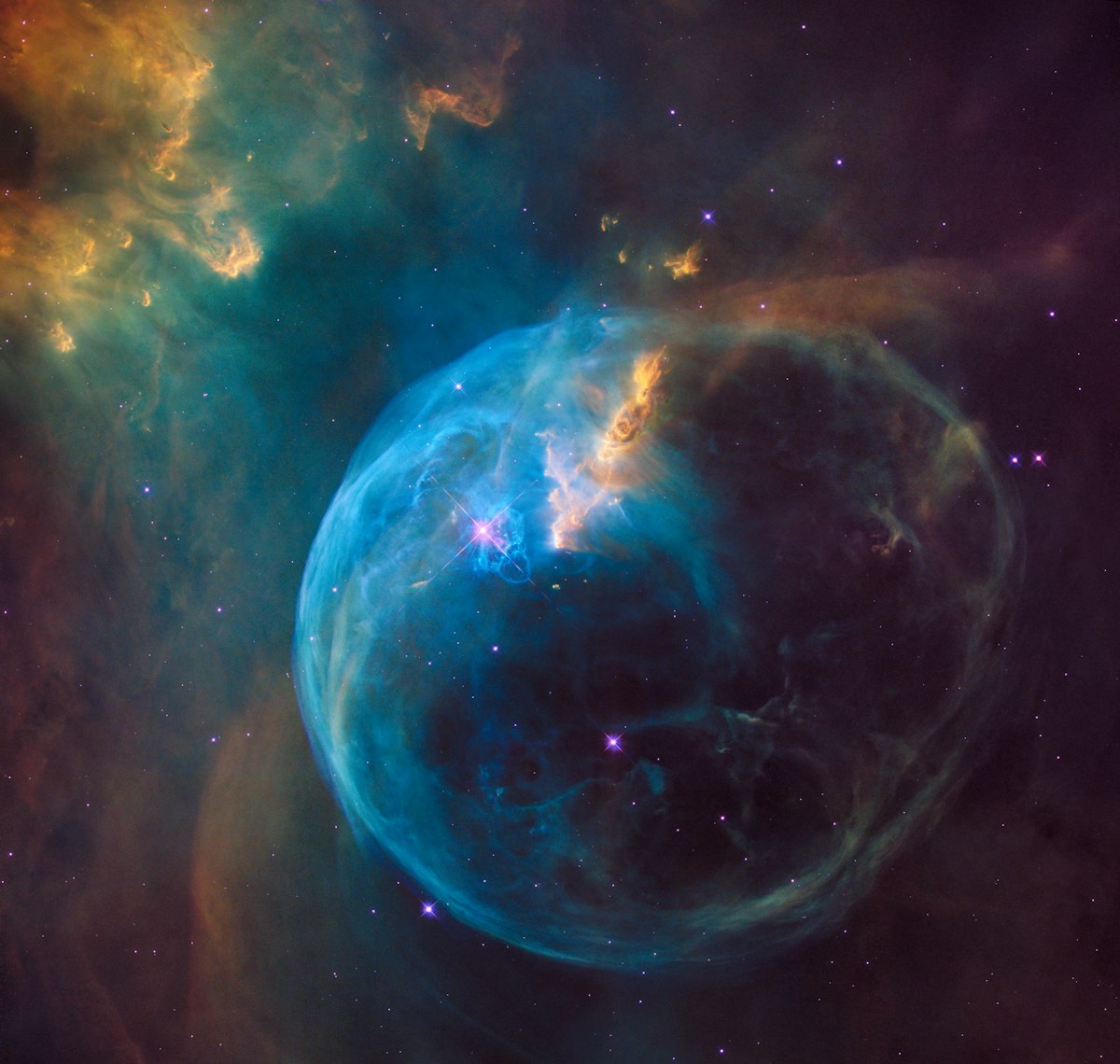
What Is a Nebula? A Beginner's Guide to the Clouds Where Stars Are Born
Nebulae are the glowing clouds of gas and dust where stars are born and where dying stars leave their mark. Th...
 ⚡ CyberTech 568
Step-by-Step Tutorial: Playback Speed Calculator — Video Time at Any Speed (Day 2 Guide)
How to accurately use the Playback Speed Calculator — Video Time at Any Speed on CyberTech 568. Discover essen...
 🤖 WinBar AI
Instagram Photo Downloader: Save Posts in Full Resolution
Download Instagram photos in original quality. Save posts, carousel images, and profile pictures free....