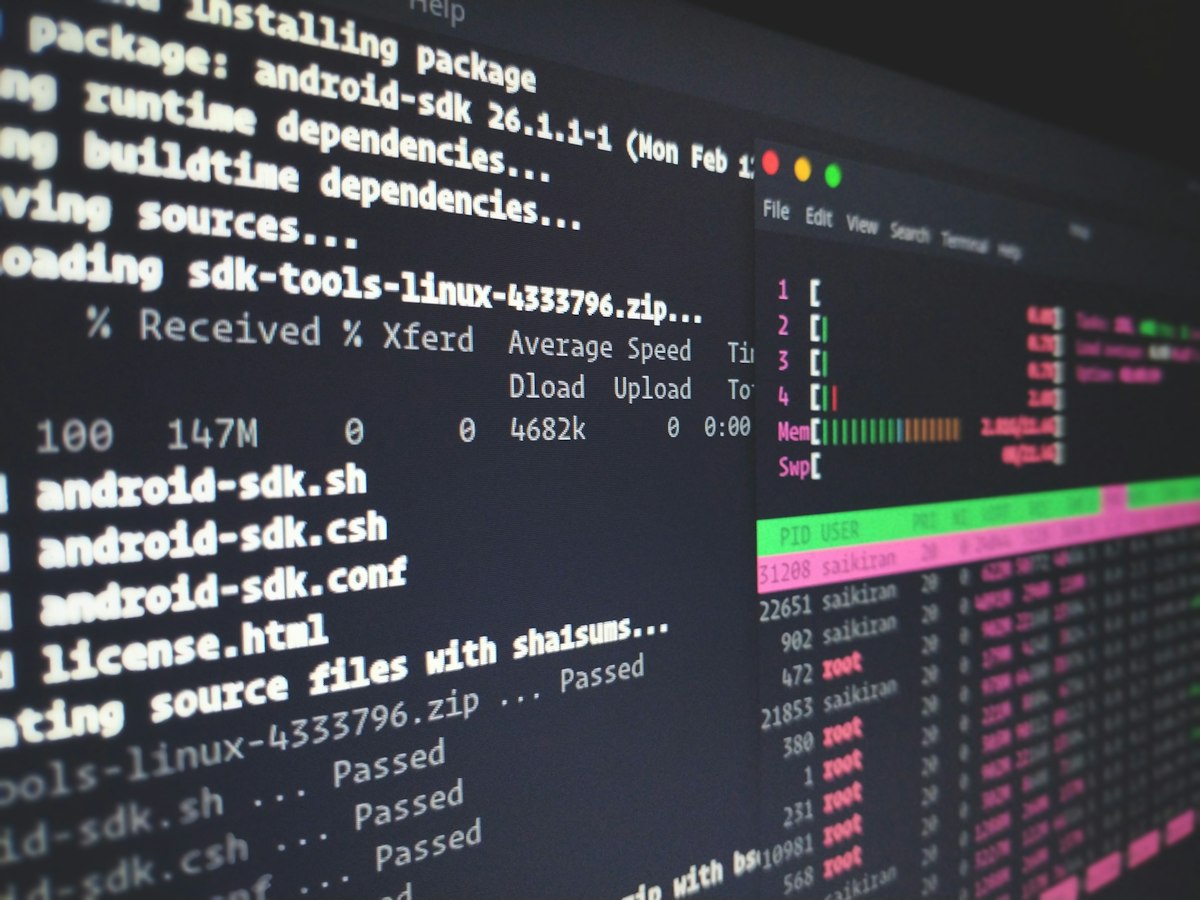
Uptime Kuma is a free, open-source monitor you run yourself with one Docker command. It checks your sites every minute, alerts you through Telegram, Discord, or email, and costs nothing beyond a small server.

Archive: November 2026
74 stories published in November 2026
AWS Activate gives early-stage startups free cloud credits, with the Founders tier aimed at bootstrapped teams. Learn who qualifies, what you get, and how to apply without an accelerator connection.
Google Cloud's $300 trial credit lasts 90 days, but careless setups can burn it in a week. This plan shows you how to budget the credit, pick cheap services, and land on the always-free tier when it ends.
Docker Compose turns a small website deployment into a single file you can start, stop, and move with one command. This beginner guide walks you from an empty server to a live site with a web server and a database.
Cloud providers use free tier, free trial, and credits to mean very different things, and confusing them is how small sites get surprise bills. This guide defines each term and shows how to plan around all three.
Small teams can replace many paid subscriptions with free self-hosted tools. This guide maps the most reliable swaps for file sharing, project management, docs, and chat, plus the real costs of hosting them yourself.
Most cloud surprise bills are preventable with alerts set on day one. Learn which alerts to create, what thresholds to use, and the monthly review habit that keeps free tiers actually free.
Static sites can be hosted free on Cloudflare Pages, Netlify, or GitHub Pages, but the three differ on builds, bandwidth, and features. This comparison helps you pick the right free host for your site.
Every free tier ends somewhere, and it is rarely the limit on the pricing page. These seven hidden limits, from egress to build minutes, are the ones that actually shut small projects down.
Immich gives you Google Photos features, face recognition, albums, and mobile backup, on hardware you own. Here is how to install it with Docker and what it actually costs to run.
Plausible gives you the pageviews, referrers, and goals without cookies or personal data. Self-hosting it costs a few dollars a month in server time and nothing in software.
Every app needs a cache or a queue, and Redis is the default. Three genuinely free ways to run it in 2026, compared on limits, latency, and the moment each one starts billing.
Password resets and receipts have to arrive. Resend, Brevo, and Amazon SES all send them free at startup scale, but their limits, deliverability, and setup effort are very different.
Docker Hub rate limits break CI pipelines without warning. Here is how its free tier compares with GitHub Container Registry, and how to move your images without breaking a deploy.
One wildcard certificate covers every subdomain you will ever create. Here is how to get one free from Let's Encrypt, automate renewal, and avoid the DNS mistake that breaks it.
A forgotten instance or a runaway function can turn a $0 month into a $500 bill. Five free tools that watch your cloud spending and alert you before the invoice arrives.
Most startup Kubernetes bills are roughly twice what they should be, and the waste comes from the same seven patterns. Here is the fix for each one, in priority order.
Cloud providers sell their spare capacity at discounts of up to ninety percent. Spot instances are the cheapest compute available — if you know which workloads can handle being interrupted.
Containers feel safe because they are isolated, but a default Docker setup has real gaps. Ten practical hardening steps that close the common holes before your first deploy.
There is no free GPU tier at any major cloud — only credits and trials. Here is where small AI projects can actually get GPU time without paying, and what each offer really covers.
Docker Compose runs most small projects happily for years. Kubernetes is powerful, but it is also a second job. Here is how to decide which one your project actually needs.
Running your own database is work. The free tiers of managed database services cover most small projects — but their limits, and their catches, differ more than the marketing suggests.
The Soft Hearts Open Minds sticker is a gentle daily reminder to listen first, stay curious, and choose kindness. Here is how a small nudge on your laptop or journal can shape the way you respond to people.
A personalised planner works because it feels like yours. Here is how to choose the right layout, build a ten-minute evening routine, and keep a paper planner going all year.