What Your Cat Is Really Saying: A Short Guide to Feline Body Language
Story summary
A short guide to reading your cat: eyes, tail, ears, posture and sounds — with the full feline vocabulary explained on Cat Chronicles.
📌 Key Highlights & Takeaways
- A short guide to reading your cat: eyes, tail, ears, posture and sounds — with the full feline vocabulary explained on Cat Chronicles.
Cats talk all the time. They just do not use words. A slow blink, a twitching tail, a pair of ears that suddenly flatten — each of these is a sentence, and once you learn to read them, living with a cat becomes a much calmer and more rewarding experience. The full guide on Cat Chronicles walks through the feline vocabulary in detail, and this short introduction covers the signals every cat owner should know first.
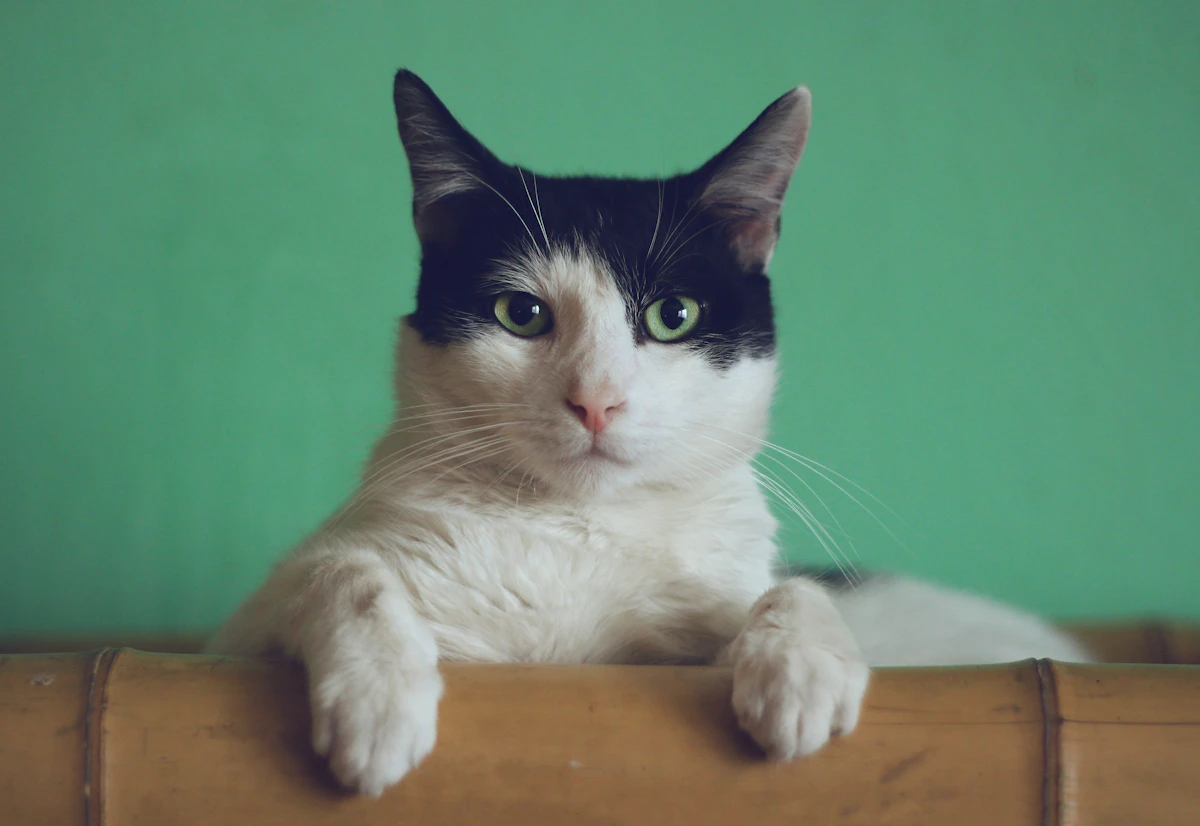
Start with the eyes. A cat that looks at you and blinks slowly is not sleepy or bored. In cat language, a slow blink is a sign of trust and relaxation, almost like a small smile. Many owners find that if they blink slowly back, their cat returns the gesture. Wide, staring eyes with large pupils usually mean the opposite: excitement, fear, or intense focus. A cat watching a bird through a window, for example, will often have huge pupils and a completely still body.
The tail is the next thing to watch, because it is one of the most expressive parts of a cat. A tail held high with a slight curve at the tip usually means a confident, happy cat saying hello. A tail tucked low or wrapped tightly around the body suggests nervousness or discomfort. Fast, sharp flicks of the tail are a warning that the cat is annoyed or overstimulated — a good moment to stop petting and give some space. A gently swishing tail, on the other hand, often means the cat is simply thinking or curious.
Ears tell their own story too. Ears pointing forward mean interest and attention. Ears turned sideways, like little aeroplane wings, often signal irritation or uncertainty. Ears flattened back against the head are a clear sign of fear or aggression, and a cat in that state should be left alone until it calms down. Learning these small differences helps you avoid the classic mistake of continuing to stroke a cat that has already asked you, politely at first, to stop.
Body posture ties it all together. A relaxed cat lies stretched out or curled loosely, with soft eyes and a still tail. A frightened cat makes itself small, crouches low, and tries to disappear into a corner. A confident cat walks with its tail up and its steps unhurried. And then there is the famous slow roll onto the back, belly exposed. New owners often read this as an invitation for a belly rub, but for most cats it is actually a sign of trust and a playful invitation to interact — not a request to touch the belly, which is a sensitive area.
Sounds add another layer. A short, high-pitched meow is often a greeting. A long, drawn-out meow usually means the cat wants something specific, like food or a door opened. Purring is the best-known cat sound, and while it often means contentment, cats also purr when they are nervous or in pain, as a way of calming themselves. Chirps and trills are friendly sounds cats make when they are excited, often when they see a bird or when they greet a favourite person.
The most useful habit is to watch the whole cat, not just one signal. A tail flick on its own might mean little, but a tail flick plus flattened ears plus a tense body is a clear message. Context matters too: the same posture can mean play in one moment and warning in another. The more time you spend simply observing your cat without trying to interact, the faster you will learn its personal dialect, because every cat has its own small variations.
If you want to go deeper, the full article on Cat Chronicles breaks down the feline vocabulary in much more detail, with the behaviour behind each signal and practical tips for responding to it. You can read the complete guide at the original source, linked from this page. A little patience with cat language pays off every day — fewer misunderstandings, fewer scratches, and a cat that trusts you more because you took the time to listen.
Cryptographic Security & Key Generator
Generate entropy-tested high-security keys and encryption-grade tokens.
Source: Cat Chronicles.
Read the full story at the original source ↗
For questions: mrsmithcons@gmail.com.
More from FreeSky Cloud