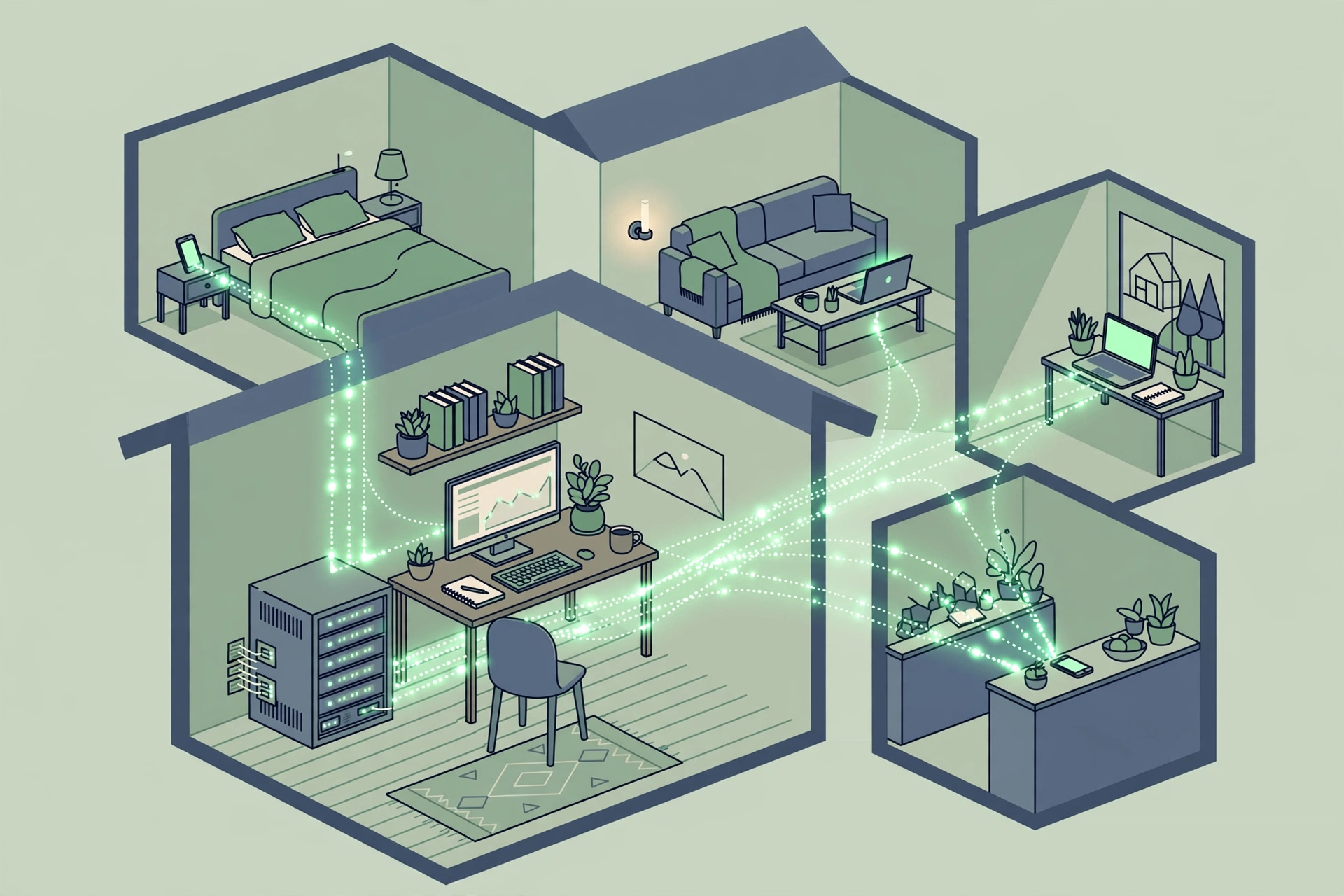
Set up Uptime Kuma, a free server monitoring tool, to watch websites and services, get downtime alerts, and keep a simple status history without paid monitoring costs.

Archive: October 2026
153 stories published in October 2026
A safe, step-by-step Oracle Cloud free tier setup for beginners. Covers signup, region choice, creating an Always Free VPS, hardening it, and avoiding surprise charges.
A pre-launch self-hosting checklist covering server hardening, automated off-server backups, application security, and monitoring, so your VPS goes live safely.
Five Docker Compose beginner projects that teach volumes, networking, ports, and restart policies while building tools you will actually use, from a notes app to a home dashboard.
Build a startup software stack on free tiers in 2026: communication, project management, website, analytics, CRM, and invoicing, with honest notes on where each free plan ends.
AWS free tier limits explained for beginners: the three offer types, the traps that cause surprise bills, and the billing alarms and habits that keep your account at zero cost.
Set up Cloudflare's free tier in under thirty minutes: faster loads, free HTTPS, and attack protection. Includes DNS steps, speed settings, and what to test after switching.
VPS vs shared hosting for beginners, compared honestly: cost, control, performance, and maintenance. Includes a clear decision guide and when to start small and migrate later.
GitHub Actions CI/CD for beginners: build your first automated testing and deployment pipeline in under an hour, read failure logs, and deploy safely with secrets.
Free server monitoring tools compared, led by Uptime Kuma: set up uptime checks, notifications that actually reach you, and hosted alternatives for a first website.
Migrate a website to a VPS without downtime: prepare and test the new server privately, switch DNS only when everything works, and keep the old site as a safety net.
The best self-hosted GitHub projects for running your own software — a master list, PDF tools, voice, deployment, and social scheduling, with honest notes on cost and upkeep.
Kubernetes is powerful, but most small projects pay for that power before they need it. Compare the real costs, learn the thresholds where Kubernetes makes sense, and see a practical path for migrating later.
Hosted monitors change free plans and cap your checks. Uptime Kuma runs in one Docker container with unlimited monitors, fast checks, alerts, and a status page, and this guide gets it running in about twenty minutes.
GitHub Actions minutes run out faster than expected on private repos. Compare five free alternatives, from self-hosted runners to GitLab CI and Woodpecker, and learn how to migrate without breaking your deploys.
Port forwarding is fiddly and temporary tunnels expire. Cloudflare Tunnel exposes your local app on a stable HTTPS address for free, without opening inbound ports, and this guide shows the four-step setup.
Free Postgres tiers look similar until you hit storage caps, connection limits, or sleep behaviour. Compare five options, learn the four limits that matter, and plan an exit before you need one.
A one-gigabyte image slows every deploy and eats free-tier storage. Multi-stage builds, slimmer base images, smarter layer order, and a .dockerignore file can cut most images dramatically.
A new server is probed within minutes of going online. Work through this 12-step hardening checklist, from key-only SSH and firewalls to updates, backups, and app-layer basics, before you launch.
S3's egress fees surprise small projects as they grow. Compare Cloudflare R2, Backblaze B2, and self-hosted MinIO, learn the four things to check before committing, and migrate without downtime.
Terraform is powerful, but for a one-server project it can feel like overkill. Learn what it actually gives you, the thresholds where it pays off, and a simpler middle path with scripts and notes.
Users trust a startup that announces outages before they discover them. Set up a free status page in an afternoon, list services the way users think, and write your incident process before you need it.
Binance co-CEO Yi He expects withdrawal resumption to begin within the next 48 hours after the 29 October 2026 breach. That is an expectation, not yet a confirmed resumption, so official Binance channels remain the source to watch.
Side projects should cost nothing until they earn something. Compare the genuinely free hosting tiers, their limits, and the traps that turn free into a bill.